

Spring has arrived, bringing warmer weather and blooming flowers. However, the easterly winds also bring frequent wind damage to greenhouses. Large temperature fluctuations and the convergence of warm and cold air masses create strong convective weather.
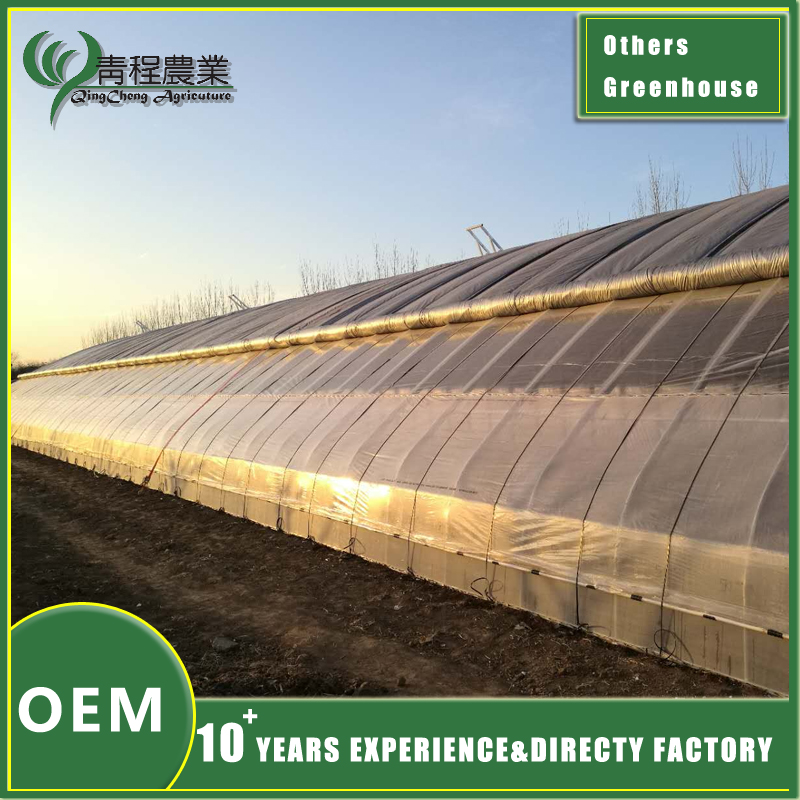
A strong wind can knock down greenhouses and tear the film; the straw mats can be blown over, causing significant losses. Therefore, it's crucial to prepare for wind damage to greenhouses in advance.
Enhance the stability of the greenhouse, promptly replace damaged film-pressing lines, and repair damaged greenhouse frames; straighten loose film and cover the perimeter of the greenhouse with ample film-pressing soil.
Deeply bury ground anchors, tighten film-pressing lines, and secure the film at the greenhouse ends to ensure it adheres firmly to the greenhouse frame.
Add temporary or permanent guy wires, supports, or other frame materials between greenhouse frames and between the frame and the ground.
Regularly check the condition of the film-pressing soil, film-pressing lines, and other materials used to secure the greenhouse film, and address any problems promptly; during windy weather, immediately secure any film that has been blown away by the wind.
When constructing an Greenhouse (Emerging Venue), wind resistance design must be fully considered. A greenhouse with strong wind resistance should be built, and the design must be carried out by professional technicians, including calculations of wind loads.
The wind resistance of an Greenhouse is positively correlated with the stability of the greenhouse. The stability of the greenhouse is closely related to the building quality, frame material, roof curvature, and span.
Among them, streamlined Commercial Greenhouse have the strongest wind resistance. When selecting a site for an Greenhouse, avoid windy areas as much as possible, and while ensuring sufficient sunlight, build the greenhouse near buildings that provide wind protection.