

In modern agriculture, facility agriculture has become an important way to improve planting efficiency. With the increasing popularity of Greenhouse construction for vegetable cultivation, more and more farmers are paying attention to how to choose the right Greenhouse for their needs.
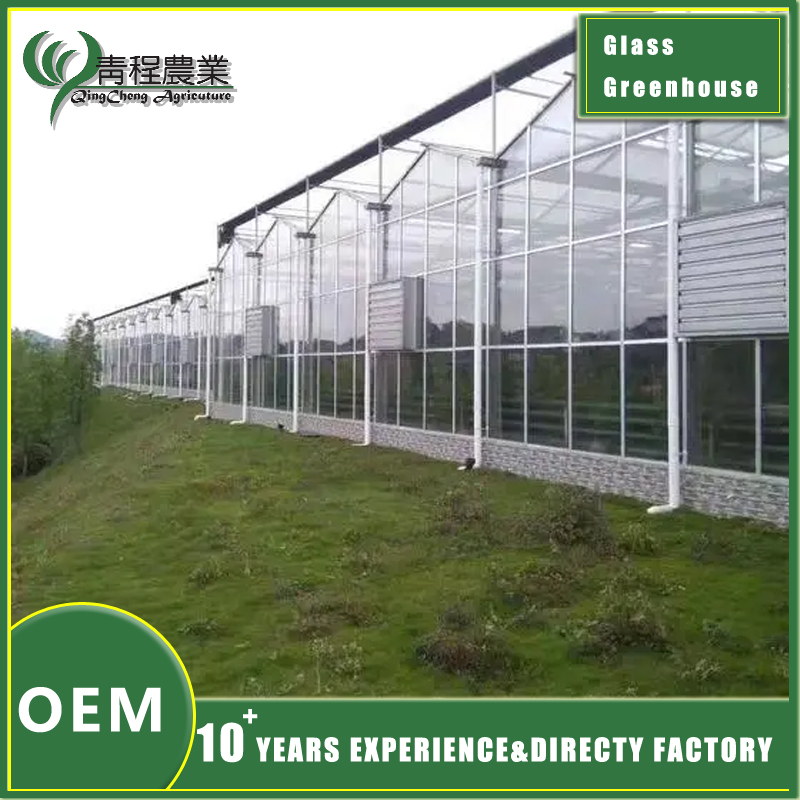
First, before choosing an Greenhouse, you need to clarify your needs. What crops do you plan to grow? Vegetables, fruits, or flowers? Different climates have different requirements for temperature, humidity, and light. If you are a vegetable grower, choosing an Greenhouse facility that can effectively insulate and ventilate is crucial.
Imagine if you grow tomatoes in winter, but the electric vehicle has poor insulation, resulting in your tomatoes freezing – that would be a huge loss! Therefore, understanding the crops you want to grow is the first step in choosing an Greenhouse.
Secondly, the Greenhouse material is also an important consideration. There are various materials available on the market, such as plastic film, glass, and polycarbonate. Each material has its advantages and disadvantages.
For example, while plastic film Glass Greenhouse are inexpensive, their durability is relatively poor; while glass Glass Greenhouse have good light transmission but are expensive. For vegetable cultivation Greenhouse construction, it is recommended to choose the appropriate material based on your budget and the intended lifespan of the facility. People often ask, "Do I really need to spend so much money on high-quality materials?" The answer is yes. High-quality materials can save you on later maintenance costs and increase crop yields.
Furthermore, the structural design of the Greenhouse (Active Plant) is also a crucial factor. You need to consider the Greenhouse's height, area, and ventilation system. A well-designed Greenhouse provides good light and ventilation, which is beneficial for plant growth.
For example, imagine if your Greenhouse is too high, it might lead to uneven light distribution; if it's too low, it might lead to poor ventilation. In vegetable cultivation Greenhouse construction, it's recommended to use an arched or bow-shaped structure, which not only improves space utilization but also enhances wind resistance.
In addition, ventilation and temperature control are essential components of an Greenhouse. A good ventilation system can effectively reduce the incidence of pests and diseases, maintaining healthy crop growth. A temperature control system can maintain the temperature inside the Greenhouse within the optimal range for crop growth.
Have you considered that without effective ventilation and temperature control, crops might suffer from adverse effects from high or low temperatures? This not only wastes your time and money but could also lead to reduced crop yields. Therefore, it is essential to ensure that your facility Greenhouse has a good ventilation and temperature control system.