

First, the climate dictates the necessity of greenhouse cultivation. The climate has four distinct seasons, but due to frequent rainfall and temperature fluctuations, traditional open-field cultivation often faces many challenges.
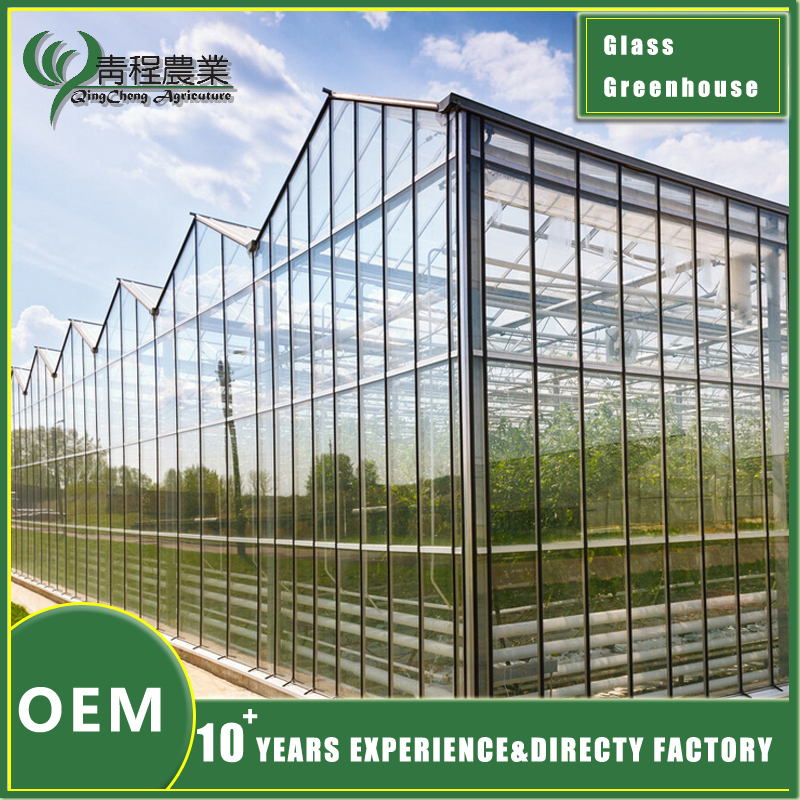
Greenhouse cultivation effectively protects vegetables from the impacts of the natural environment. It's like putting a "protective coat" on the vegetables, allowing them to grow in a relatively stable environment, no longer worrying about sudden rain or cold snaps.
Second, Greenhouse construction enables highly efficient resource utilization. Greenhouse designs typically maximize sunlight utilization, and combined with modern irrigation systems and temperature control technology, this significantly improves vegetable yield and quality.
Imagine vegetables receiving ample water and nutrients in a closed environment, like enjoying five-star service in a luxurious hotel—the ingredients will naturally be more abundant and delicious.
Furthermore, Glass Greenhouse allow for seasonal off-peak production. By regulating temperature and humidity, farmers can plant earlier or later in spring and autumn, thus avoiding peak market competition and achieving higher economic benefits.
Can you imagine? Vegetables in Glass Greenhouse bloom earlier, like spring flowers, attracting more customers' attention.