
The construction and operation of Vegetables Greenhouse require thorough preparation to ensure healthy crop growth and high yields and quality. Here are some key preparations:
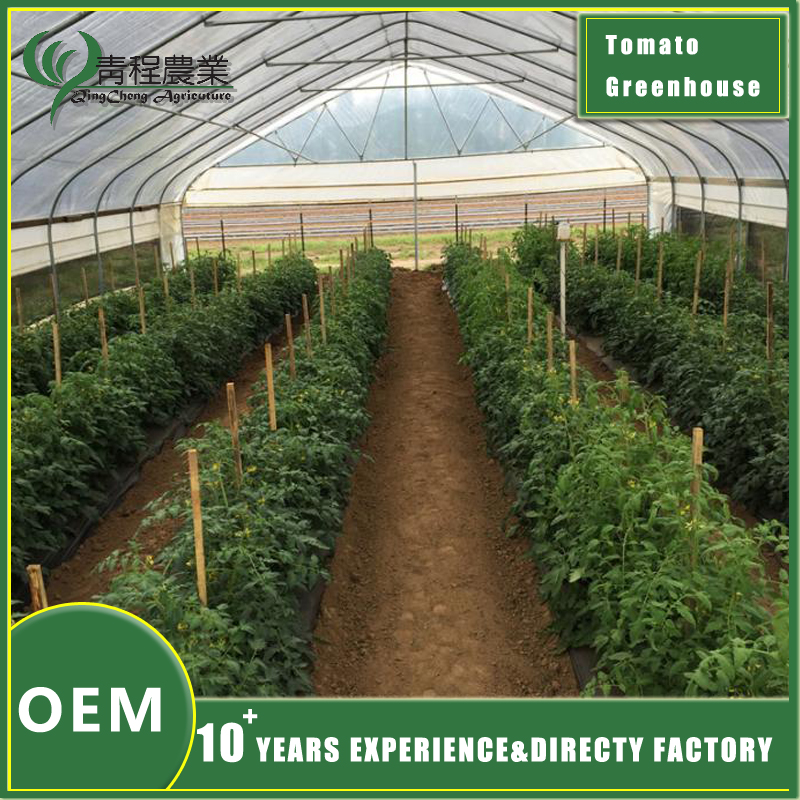
First, site selection is crucial. Given the humid climate and abundant rainfall, choose a high-lying, flat, open location with good drainage. Avoid building in low-lying areas prone to waterlogging to prevent rainwater backflow. Ensure ample sunlight exposure and avoid obstruction by tall buildings or trees.
Second, clearly define the Vegetables Greenhouse purpose. Different uses will affect the configuration of internal facilities. For example, vegetable cultivation may require multi-tiered planting racks, while flower cultivation may require a more sophisticated irrigation system.
In terms of structural design, consider the region's potential for strong winds, heavy rains, and other severe weather. The Vegetables Greenhouse frame structure must be sturdy and able to withstand wind and snow pressure. Using hot-dip galvanized steel as the frame material ensures its lifespan.
Furthermore, the choice of glass is also important. Glass with good light transmittance, strong heat insulation, and anti-drip properties, such as double-glazed windows, should be selected to reduce heat loss and prevent condensation.
Furthermore, before the Agricultural Greenhouse is put into operation, ventilation, shading, irrigation, and temperature control systems need to be installed. These systems ensure that the environment inside the Agricultural Greenhouse remains optimal, providing suitable growing conditions for crops.